What Family members Need To Know Prior To Checking Out Assisted Living
Business Name: BeeHive Homes of Bosque Farms
Address: 1935 Bosque Farms Blvd, Bosque Farms, NM 87068
Phone: (505) 357-0505
BeeHive Homes of Bosque Farms
Beehive Homes of Bosque Farms assisted living care is ideal for those who value their independence but require help with some of the activities of daily living. Residents enjoy 24-hour support and caring assistance, private rooms and home-cooked meals. Assisted living should feel like home. Welcome home!
1935 Bosque Farms Blvd, Bosque Farms, NM 87068
Business Hours
Families generally start considering assisted living after a small however disturbing pattern shows up. A parent that was when precise starts missing drugs. A partner fails to remember dishes, or a home that made use of to really feel lived in now feels messy, dim, and tougher to manage. Often the change is gradual enough that nobody can call the precise moment when home quit being the best choice. Various other times a fall, a hospitalization, or a diagnosis compels the question quickly.
That is typically when the look for assisted living begins, and it can seem like stepping into a globe with its very own language. Households compare layout, inquire about levels of care, and search online for senior care near me or assisted living near me, hoping the ideal response will certainly show up in a neighborhood list of communities. Yet the actual choice is much more individual than that. Good senior living is not practically discovering a tidy building with pleasurable staff. It is about matching an individual's demands, routines, temperament, clinical realities, and budget plan with a setup that can absolutely support daily life.
The family members I have seen browse this well do not begin with sales brochures. They start with the useful question: what is becoming hard, and what kind of assistance is in fact needed?
The correct time to begin looking is normally earlier than people think
Many families wait till they are worn down. That is reasonable, however it narrows the alternatives. Assisted living jobs best when there is still time for thoughtful comparison, conversation, and preparation. If a parent is still living in the house however dealing with showering, dressing, taking care of medicines, or preparing meals regularly, that is not a minor aggravation. It is frequently the factor where senior care ends up being a real consideration instead of a theoretical one.
An error I see usually is assuming assisted living is only for people that are extremely frail. In technique, several homeowners move in while they are still relatively energetic. They may not need nursing home care, yet they do need a much safer setting, regular dishes, housekeeping, transportation, and help respite care with particular activities of daily living. Some areas also offer respite care, which can be beneficial after surgical procedure, during a caregiver's trip, or when a family needs momentary assistance while choosing a longer-term plan.
Waiting as well long can make the transition harder. If someone has actually currently had actually repeated drops, extreme weight reduction, or innovative confusion, the action can feel like situation administration rather than a prepared change. Starting very early provides living rooms to contrast neighborhoods smoothly and allows the older adult feel included rather than relocated.
Assisted living is assistance, not surrender
One factor family members think twice is that assisted living can sound like a loss of self-reliance. That fear is genuine. No one intends to really feel pushed out of their very own life. Yet the most effective neighborhoods are made to maintain freedom, not eliminate it. Locals generally have personal apartments or collections, select their routines, make a decision when to awaken, what to consume, and just how to invest their day. What modifications is the amount of help available when needed.
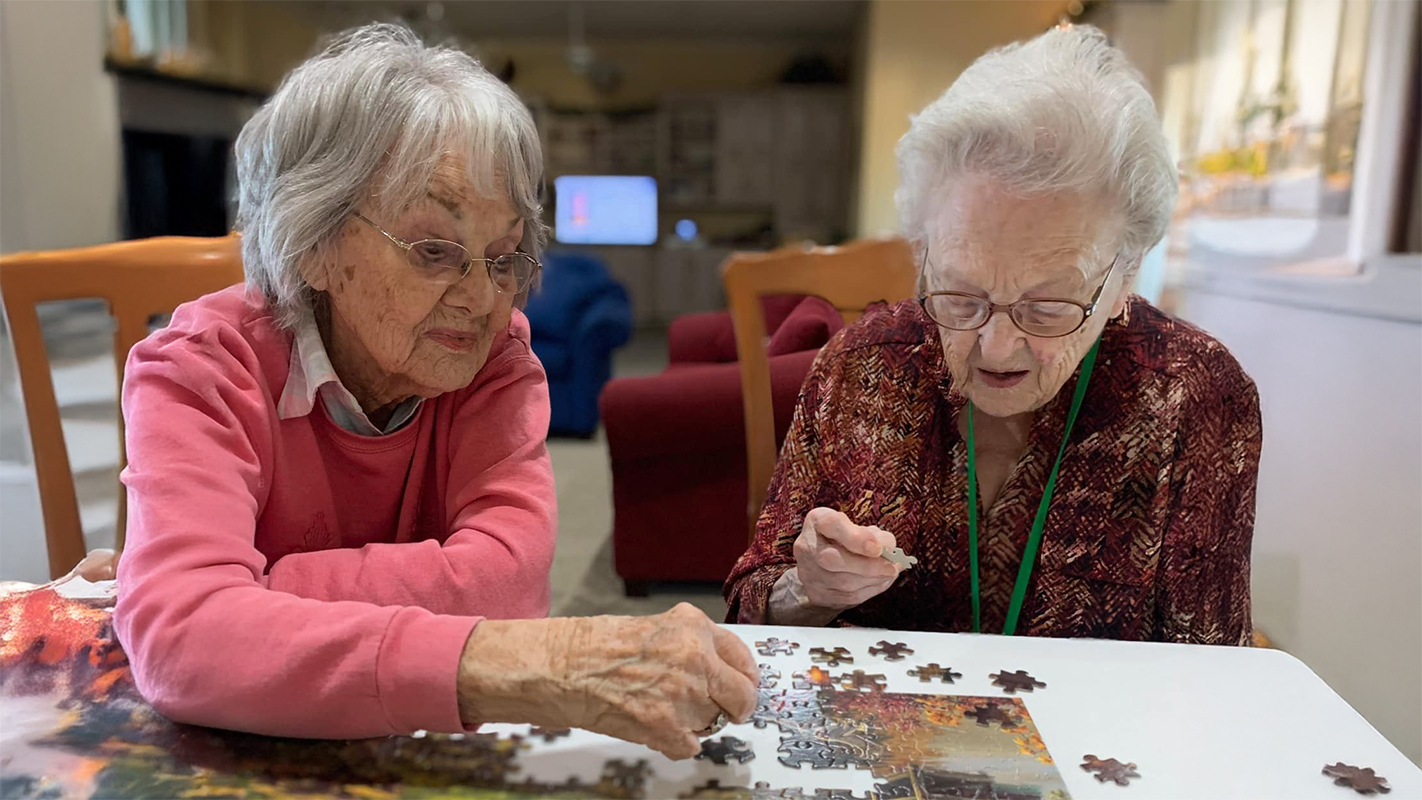
That difference issues. An individual who delights in analysis, horticulture, or gatherings may do better in senior living than in the house simply due to the fact that the concern of home cleaning, cooking, and taking care of medications has actually started to crowd out the components of life they in fact appreciate. I have actually seen people end up being more energetic after relocating since they were no more spending their power on jobs that had actually become literally difficult or mentally draining.

Still, assisted living is not the best suitable for everyone. Some individuals need memory care because of straying or severe dementia. Others call for proficient nursing since they need intricate clinical guidance, wound care, or constant clinical focus. Households should not presume that every senior care area is compatible. The ideal degree of assistance relies on the individual's particular demands, not on what is closest or simplest to visit.
What solutions generally matter most
When families tour areas, they typically focus on style initially. Pleasant common areas matter, however they ought to not be the centerpiece. The services below the surface area are what form day-to-day life.

The most important questions usually center on individual care, medication support, meals, housekeeping, transportation, and team availability. It aids to ask just how the community helps with showering, dressing, toileting, and flexibility, since those demands can alter over time. Drug management is entitled to close attention, since even a skilled resident can end up being bewildered by several prescriptions, dose changes, or memory issues.
Meals are an additional area where family members occasionally take too lightly the influence. A place can have an attractive dining-room, however if the food is dull, offered at inconvenient times, or difficult to change for nutritional requirements, citizens can slim down or avoid meals. I have seen adult kids think their parent would certainly "just adapt," just to locate that eating was one of the initial points to experience. Food is not a side concern. In assisted living, it shapes health, social life, and mood.
Transportation also matters more than many people anticipate. Having the ability to get to a physician's appointment, pharmacy, praise solution, or family members event can determine whether a resident feels linked or isolated. For people that no more drive, trustworthy transport can be the distinction between a life that continues to be active and one that silently shrinks.
The team informs you as long as the structure does
When family members tour a neighborhood, they usually notice the light fixture, the activities calendar, and the version house. Those are very easy to see. What is tougher to judge, and more vital, is how staff interact with citizens when no one is executing for the tour.
Watch whether employees greet locals by name. Notice whether they crouch to talk to somebody in a mobility device rather than discussing them. Take notice of whether staff appear hurried, calm, detached, or really conscientious. Those hints can tell you a whole lot concerning the culture. A sleek front workdesk means little if the caretakers are short-handed or burnt out.
It is additionally worth inquiring about staffing patterns throughout various changes. Several places look good in the center of the day, when even more individuals are on responsibility and activities are underway. Evening, weekends, and vacations can be very various. Families ought to ask who is available after hours, just how emergency situations are dealt with, and just how rapidly a resident can expect aid if they make use of a phone call system.
If a community is vague concerning staffing, that is an indication. Great senior care must be explained plainly, not hidden behind advertising and marketing language.
Costs are a lot more difficult than the marketed rate
This is where many households obtain caught unsuspecting. Assisted living rates typically starts with a base monthly charge, yet the real bill can be greater depending upon care needs, house dimension, medication aid, and add-on solutions. One area might seem costly initially look and another even more inexpensive, till the information are lined up side by side.
Families must ask what is consisted of in the base price and what expenses extra. That may appear obvious, yet lots of people do not ask straight sufficient. Does the cost include dishes, housekeeping, washing, transport, cable television, or phone company? Exists a single area cost? Are care degrees examined regularly and adjusted if needs raise? What happens if a resident creates dementia or needs more hands-on help?
Budgeting honestly is painful but essential. It is better to recognize early whether a relocation can be received for one year, 3 years, or much longer. Some families have the sources for private pay only for a restricted time. Others may integrate individual funds with lasting care insurance or professional advantages, depending on qualification. Since every scenario is various, households need to not assume that a single quote tells the entire story.
A functional method to consider it is this: the monthly rate is not just a lease payment. It is the cost of a way of living and an assistance system.
The psychological transition is worthy of as much planning as the logistics
Even when the choice makes ideal sense on paper, the relocation can still land tough emotionally. Older grownups might feel sorrow, shame, rage, or alleviation, occasionally all in the very same week. Grown-up youngsters typically carry their own complex feelings. They might really feel guilty for desiring aid, or irritated that they are inadequate on their own. None of that is unusual.
I have seen family members manage this part well by speaking about the relocate terms of assistance rather than loss. That mounting matters. If the discussion becomes, "You can not handle any longer," the older adult may shut down. If it ends up being, "We want you someplace more secure, where day-to-day live is less complicated and you will certainly have people around you," the tone changes. It does not erase sadness, but it lowers shame.
Bringing the older adult right into the choice likewise helps. Allow them tour the room. Let them inquire about activities, pets, furniture, and visitors. If they have to move, provide some control over the configuration of their room. Small selections, such as where to place a preferred chair or which images to present, can make the atmosphere really feel less medical and much more like home.
A short checklist for families contrasting communities
There are moments when a basic checklist is actually helpful, specifically after numerous tours blur with each other. Keep it concentrated on the questions that influence everyday life most directly.
- What degree of daily assistance is included, and what prices extra?
- How does the neighborhood manage medicines, emergencies, and after-hours help?
- What does a typical day appear like for homeowners, consisting of meals and activities?
- How do they sustain homeowners whose demands boost over time?
- What do present locals and families claim concerning interaction and responsiveness?
That last inquiry is particularly important. A beautiful pamphlet can say practically anything. The lived experience of residents and families is harder to fake.
Respite care can be a valuable bridge, not just a back-up plan
Some family members assume they should either keep a person at home or make a long-term action. Respite care develops a center path. It can give an older adult a short-lived stay in assisted living, commonly after hospitalization or while a caretaker recoups from fatigue. It can additionally act as a trial run, which serves if the family is unsure just how well someone will adapt.
A brief keep can expose things that no tour can. Is the individual consuming well? Are they comfortable with the timetable? Do they seem much more engaged or even more taken out? Does the neighborhood handle transitions efficiently? For families under pressure, a respite remain can be eye-opening in the most effective means, since it turns abstract issues into actual observations.
That said, a test remain is not a pledge that every permanent relocation will certainly feel the very same. People act in a different way when they know they are visiting. Still, respite care can decrease fear and enhance decision-making, particularly when the family is stabilizing fatigue, work, or distance.
Visiting more than once alters what you notice
One visit is hardly ever sufficient. When possible, see the community at various times of day. A morning visit can show morning meal regimens and team preparation. A mid-day visit may reveal activity levels and social energy. A later visit can tell you whether the structure really feels resolved or strained at change change.
Bring inquiries, but leave room to observe. Is the hallway quiet since citizens are relaxing, or since there is little activity? Are people collecting normally, or are they parked before a television? Does the dining-room really feel inviting? Are homeowners tidy, clothed comfortably, and engaged? Those information matter since they talk with just how the area operates when nobody is staging a show.
If you are comparing multiple neighborhoods, write down what attracts attention quickly after each visit. Memory obtains fuzzy quickly, especially when every area declares to offer thoughtful care and energetic senior living. 2 or three days later on, the differences can be more challenging to divide unless you recorded them while they were fresh.
What households typically ignore until after move-in
Even a mindful decision can uncover shocks as soon as the move is total. Some locals need time to adapt to team regimens. Others locate the size of the house smaller than they expected, or discover that listening to the dining-room clatter every evening is much more exhausting than they visualized. Households may likewise realize that their loved one needs even more social inspiration than anticipated.
This is where versatility matters. A move is not completion of the preparation process. It is the beginning of a new stage that need to still be kept an eye on. If the resident is dropping weight, avoiding activities, or becoming unusually taken out, the household must speak out. If medicine schedules appear complicated or personal care is not taking place accurately, those problems need to be dealt with quickly.
Good neighborhoods invite that comments. They recognize that assisted living is most effective when families remain entailed without trying to micromanage every information. The balance is delicate. Excessive pressure can strain personnel relationships, yet silence can permit small problems to grow.
The finest decision is the one grounded in everyday reality
Families frequently search for a perfect answer, but the much better goal is a workable one. The appropriate assisted living neighborhood is not necessarily the fanciest one, the closest one, or the one with the most sleek website. It is the place where an older grownup can be safe, revered, and supported in a manner that fits their real life.
That might indicate selecting a community because the staff appears warm and consistent, also if the style is small. It might mean selecting an area with solid memory support since cognitive modifications are progressing. It may indicate thinking about senior care near me options that are a little further away because the care model is much better. It might also indicate using respite care first, so everybody can check the fit before making a longer commitment.
Families who put in the time to ask hard questions typically do much better than those that hurry to a choice under tension. They look beyond appearances. They compare costs truthfully. They evaluate independence versus safety without claiming the compromise does not exist. Most importantly, they bear in mind that assisted living is not about moving a person out of a home. It has to do with selecting an establishing where every day life can continue to be dignified, sensible, and as full as possible.
BeeHive Homes of Bosque Farms provides assisted living care
BeeHive Homes of Bosque Farms provides memory care services
BeeHive Homes of Bosque Farms provides respite care services
BeeHive Homes of Bosque Farms supports assistance with bathing and grooming
BeeHive Homes of Bosque Farms offers private bedrooms with private bathrooms
BeeHive Homes of Bosque Farms provides medication monitoring and documentation
BeeHive Homes of Bosque Farms serves dietitian-approved meals
BeeHive Homes of Bosque Farms provides housekeeping services
BeeHive Homes of Bosque Farms provides laundry services
BeeHive Homes of Bosque Farms offers community dining and social engagement activities
BeeHive Homes of Bosque Farms features life enrichment activities
BeeHive Homes of Bosque Farms supports personal care assistance during meals and daily routines
BeeHive Homes of Bosque Farms promotes frequent physical and mental exercise opportunities
BeeHive Homes of Bosque Farms provides a home-like residential environment
BeeHive Homes of Bosque Farms creates customized care plans as residents’ needs change
BeeHive Homes of Bosque Farms assesses individual resident care needs
BeeHive Homes of Bosque Farms accepts private pay and long-term care insurance
BeeHive Homes of Bosque Farms assists qualified veterans with Aid and Attendance benefits
BeeHive Homes of Bosque Farms encourages meaningful resident-to-staff relationships
BeeHive Homes of Bosque Farms delivers compassionate, attentive senior care focused on dignity and comfort
BeeHive Homes of Bosque Farms has a phone number of (505) 357-0505
BeeHive Homes of Bosque Farms has an address of 1935 Bosque Farms Blvd, Bosque Farms, NM 87068
BeeHive Homes of Bosque Farms has a website https://beehivehomes.com/locations/bosque-farms/
BeeHive Homes of Bosque Farms has Google Maps listing https://maps.app.goo.gl/VeA8p86Gp4TSGBN7A
BeeHive Homes of Bosque Farms has Facebook page https://www.facebook.com/BeehiveHomesBosqueFarms
BeeHive Homes of Bosque Farms won Top Assisted Living Homes 2025
BeeHive Homes of Bosque Farms earned Best Customer Service Award 2024
BeeHive Homes of Bosque Farms placed 1st for New Mexico Senior Living Communities 2025
People Also Ask about BeeHive Homes of Bosque Farms
What is the monthly room rate at BeeHive Homes of Bosque Farms?
Monthly room rates are based on each resident’s individual care needs. Before move-in, we complete an initial evaluation to better understand the level of support, assistance, and daily care that may be needed. This helps us provide a clear monthly rate that reflects the resident’s personalized care plan. We believe families deserve honest conversations and transparent pricing, with no hidden costs or surprise fees.
Can residents stay at BeeHive Homes of Bosque Farms through the end of life?
In many cases, yes. Our goal is to help residents remain in the comfort of a familiar, homelike setting for as long as their needs can be safely and appropriately met. There may be exceptions if a resident requires a higher level of skilled nursing care, ongoing medical treatment beyond assisted living services, or if safety concerns arise. When those moments come, we work with families, physicians, and care partners to help guide the next step with compassion and clarity.
Does BeeHive Homes of Bosque Farms have a nurse on staff?
BeeHive Homes of Bosque Farms does not have a full-time nurse living on-site, but we do have access to a consulting nurse. If a resident needs additional nursing services, a physician may order home health services to come directly into the home. This allows residents to receive supportive care in a comfortable residential environment while still having access to outside clinical services when appropriate.
What are the visiting hours at BeeHive Homes of Bosque Farms?
We welcome family visits and understand how important it is for residents to stay connected with the people they love. Visiting hours are flexible and are adjusted around the needs of each resident and family. We simply ask that visits be respectful of residents’ routines, rest, meals, and the peaceful rhythm of the home — not too early, not too late, and always centered on what is best for the resident.
Are couples’ rooms available at BeeHive Homes of Bosque Farms?
Yes, BeeHive Homes of Bosque Farms may have rooms designed to accommodate couples, depending on availability. For many couples, staying together while receiving the right level of assisted living support can bring comfort, familiarity, and peace of mind. We encourage families to ask about current room options, availability, and how care plans can be personalized for each spouse.
What makes BeeHive Homes of Bosque Farms different from larger assisted living facilities near Albuquerque?
BeeHive Homes of Bosque Farms offers care in a smaller, residential-style setting rather than a large institutional facility. Nestled in the quiet village of Bosque Farms, just south of Albuquerque, our homes are designed to feel personal, peaceful, and familiar. Residents receive support with daily needs in a setting where caregivers can truly get to know their routines, preferences, and personalities. For families looking for assisted living near Albuquerque with a more intimate, homelike feel, BeeHive Homes of Bosque Farms offers a comforting alternative.
Is BeeHive Homes of Bosque Farms a good option for families in Los Lunas, Peralta, Belen, and Albuquerque?
Yes. BeeHive Homes of Bosque Farms is conveniently located in Valencia County and serves families throughout Bosque Farms, Los Lunas, Peralta, Belen, and the greater Albuquerque area. Its location on Bosque Farms Boulevard offers families a peaceful village setting while still being close enough for regular visits, appointments, and family involvement. For many families, that balance of quiet surroundings and nearby access makes BeeHive Homes of Bosque Farms a natural choice for assisted living and memory care.
Where is BeeHive Homes of Bosque Farms located?
BeeHive Homes of Bosque Farms is conveniently located at 1935 Bosque Farms Blvd, Bosque Farms, NM 87068. You can easily find directions on Google Maps or call at (505) 357-0505 Monday through Sunday 9:00am to 5:00pm
How can I contact BeeHive Homes of Bosque Farms?
You can contact BeeHive Homes of Bosque Farms by phone at: (505) 357-0505, visit their website at https://beehivehomes.com/locations/bosque-farms/ or connect on social media via Facebook
Residents may take a trip to the Valencia County Fair Grounds. Valencia County Fair Grounds offer open space suitable for assisted living, memory care, senior care, elderly care, and respite care strolls.